
Robotics and Automation in Mechanical Engineering: Career Opportunities
Mechanical Engineering has evolved far beyond traditional machines, engines, and manufacturing systems. Today, mechanical engineers increasingly work alongside robots, automated production systems, smart machines, sensors, and computer-controlled equipment. This transformation has created exciting opportunities for students who want to build careers at the intersection of mechanical engineering, robotics, manufacturing, and automation.
Robotics and Automation in Mechanical Engineering is particularly important in modern industries because robots require mechanical design, motion systems, actuators, mechanisms, materials, manufacturing knowledge, and maintenance expertise. At the same time, automation connects these mechanical systems with electronics, sensors, software, and intelligent control.
For mechanical engineering students, learning about robotics and automation can therefore open doors to careers in manufacturing, automobiles, aerospace, industrial automation, process industries, logistics, product development, and emerging smart-factory environments.
What Is Robotics and Automation in Mechanical Engineering?
Robotics and Automation in Mechanical Engineering refers to the use of robotic machines, automated equipment, control systems, and intelligent technologies to perform industrial and engineering tasks with greater consistency, speed, and precision.
A modern robotic system may contain several mechanical components, including:
- Frames and structures
- Gears and transmission systems
- Bearings
- Shafts
- Joints and linkages
- Actuators
- Grippers
- Motors
- End-effectors
Mechanical engineers play an important role in designing and maintaining these physical components.
Automation, meanwhile, allows machines or production systems to perform specific operations with limited human intervention. When robotics and automation are combined, industries can create highly efficient production systems.
Why Are Robotics and Automation Important for Mechanical Engineers?
Traditional mechanical engineering remains essential, but industrial technology is changing rapidly.
Modern manufacturing increasingly uses:
- Industrial robots
- CNC machines
- Automated assembly lines
- Automated material-handling systems
- Robotic welding
- Vision-based inspection
- Automated storage systems
- Collaborative robots
- Digital manufacturing systems
A mechanical engineer who understands these technologies can contribute to both the design of machines and the improvement of manufacturing processes.
This is one reason robotics and automation in mechanical engineering has become an increasingly valuable area for engineering students to explore.
How Mechanical Engineering Connects With Robotics
Robotics is an interdisciplinary field. It brings together mechanical engineering, electrical engineering, electronics, computer science, control engineering, and artificial intelligence.
However, the mechanical foundation of a robot is critical.
Mechanical Design
Mechanical engineers design the physical structure of robots, including arms, joints, frames, gears, linkages, and movement mechanisms.
Motion and Mechanisms
Understanding kinematics and dynamics helps engineers determine how robotic components should move.
Materials
The selection of suitable materials affects a robot’s strength, weight, durability, and performance.
Manufacturing
Mechanical engineers understand how robotic components can be manufactured accurately and economically.
Maintenance
Industrial robots require inspection, maintenance, troubleshooting, and mechanical repair.
This combination makes robotics a natural extension of several core Mechanical Engineering subjects.
Types of Robots Used in Industry
Students interested in robotics and automation in mechanical engineering should understand the major types of industrial robots.
1. Articulated Robots
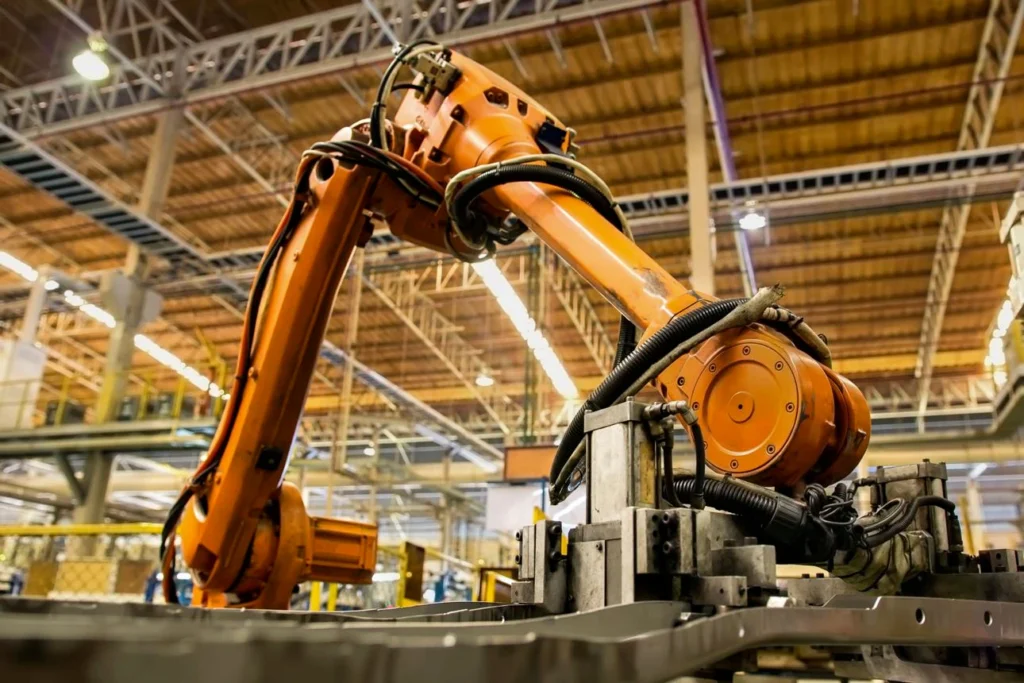
These robots have multiple rotary joints and resemble a human arm. They are widely used for welding, assembly, painting, material handling, and other industrial applications.
2. SCARA Robots
SCARA robots are commonly used for high-speed assembly, pick-and-place operations, and small-component handling.
3. Cartesian Robots
Cartesian robots move along linear axes. They are useful in applications requiring precise movement within a defined working area.
4. Delta Robots
Delta robots are lightweight, high-speed systems frequently used for sorting, packaging, and pick-and-place applications.
5. Collaborative Robots
Collaborative robots, often called cobots, are designed to work in environments where humans and robots can interact under appropriate safety controls.
6. Mobile Robots
Mobile robots can transport materials within factories, warehouses, and logistics facilities.
Applications of Robotics and Automation
The applications of robotics and automation in mechanical engineering extend across many industries.
Automobile Manufacturing
Robots are widely used for welding, painting, assembly, material handling, inspection, and other production activities.
Aerospace
Robotic and automated systems can support precision manufacturing, inspection, drilling, and assembly operations.
Manufacturing
Factories use automation for repetitive and high-precision production tasks.
Warehousing and Logistics
Automated systems and mobile robots can move materials and products through warehouses.
Food and Packaging
Robotic systems can assist with sorting, packaging, palletizing, and material handling.
Healthcare Equipment Manufacturing
Automation can support the production and inspection of precision components and medical devices.
Renewable Energy
Robotics and automation are increasingly relevant to the manufacturing, inspection, and maintenance of equipment used in renewable-energy systems.
Benefits of Robotics and Automation
The adoption of robotics and automation can provide several advantages when properly designed and implemented.
Improved Productivity
Automated systems can perform repetitive tasks consistently and efficiently.
Better Precision
Robots can perform certain operations with a high degree of repeatability.
Improved Workplace Safety
Robots can be used for tasks involving hazardous environments, extreme temperatures, heavy loads, or repetitive operations.
Consistent Product Quality
Automation can reduce variations in repetitive manufacturing processes.
Reduced Repetitive Work
Automation can allow workers to focus on tasks requiring decision-making, supervision, problem-solving, and creativity.
Smart Manufacturing
Robotics can form an important part of Industry 4.0 and smart-factory systems.
What Skills Do Students Need for Robotics and Automation?
Mechanical Engineering students interested in this field should develop a combination of engineering fundamentals and modern technical skills.
Important areas include:
- Engineering mechanics
- Machine design
- Manufacturing processes
- CAD and 3D modelling
- Kinematics and dynamics
- CNC technology
- Robotics fundamentals
- Sensors and actuators
- Industrial automation
- PLC fundamentals
- Control systems
- Programming basics
- Computer-aided manufacturing
- Problem-solving
- Technical communication
Software knowledge can also be valuable. Depending on the career path, students may encounter CAD platforms, simulation software, robotics programming environments, PLC software, and manufacturing systems.
Career Opportunities in Robotics and Automation
One of the biggest attractions of robotics and automation in mechanical engineering is the variety of career opportunities.
Mechanical engineering graduates can explore roles such as:
Robotics Engineer
Works on the design, integration, testing, and improvement of robotic systems.
Automation Engineer
Develops and supports automated production systems and industrial processes.
Robotics Design Engineer
Focuses on mechanical components, mechanisms, structures, and motion systems.
Manufacturing Engineer
Improves production processes using modern manufacturing and automation technologies.
Controls and Automation Professional
Works with industrial control systems, sensors, PLCs, and automated equipment.
CNC/Manufacturing Engineer
Works with computer-controlled manufacturing systems and production processes.
Maintenance Engineer
Maintains and troubleshoots industrial machinery, robots, and automated systems.
Product Development Engineer
Uses engineering design and prototyping skills to develop new machines and products.
Industrial Engineer
Works on improving productivity, process efficiency, workflow, and manufacturing systems.
Is Robotics a Good Career Choice for Mechanical Engineering Students?
Yes, robotics can be an excellent specialization or career direction for students who enjoy mechanical design, machines, manufacturing, and technology.
However, students should understand that robotics is interdisciplinary.
A mechanical engineer does not necessarily need to become a full-time software developer. Instead, they can develop strong expertise in mechanical design, mechanisms, manufacturing, automation, and robotics while gaining enough knowledge of programming, electronics, sensors, and controls to work effectively with multidisciplinary teams.
Robotics, Automation and Industry 4.0
The growth of Industry 4.0 is changing the manufacturing environment.
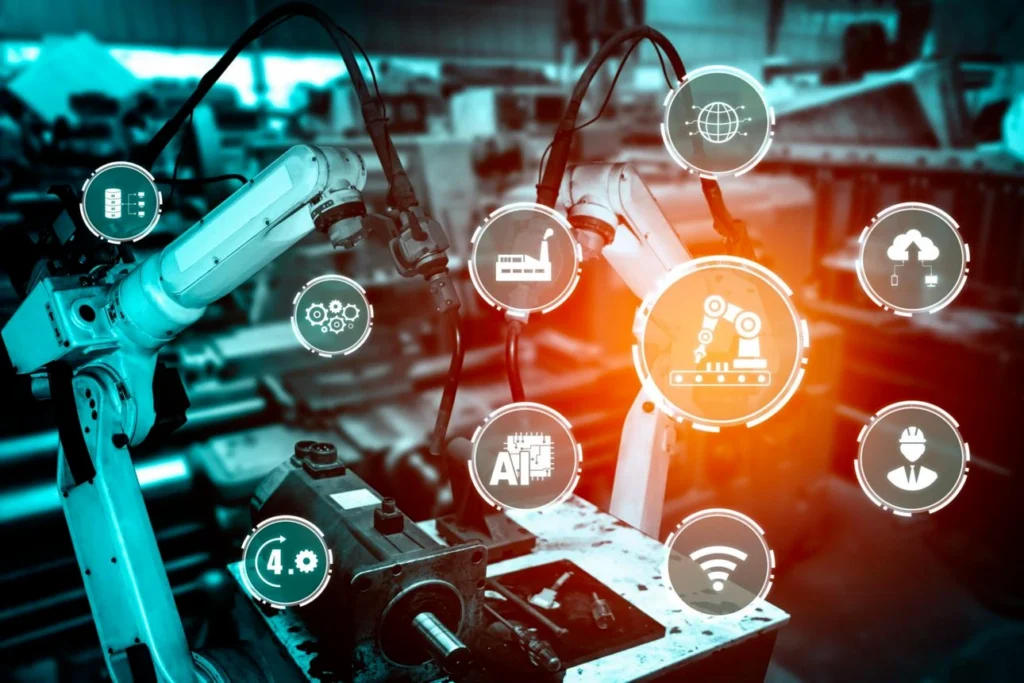
Modern factories increasingly combine:
- Robotics
- Industrial IoT
- Sensors
- Artificial intelligence
- Data analytics
- Cloud technologies
- Digital twins
- Automated inspection
- Smart manufacturing
For mechanical engineers, this means the traditional understanding of machines is increasingly being combined with digital technologies.
Students who understand both Mechanical Engineering and modern automation can be better prepared for this changing industrial environment.
Role of Engineering Colleges in Robotics Education
Engineering education should not be limited to theoretical concepts.
Students benefit from opportunities to work with:
- CAD software
- CNC machines
- Robotics kits
- Automation equipment
- Sensors
- Microcontrollers
- PLC systems
- 3D printers
- Manufacturing laboratories
- Engineering design projects
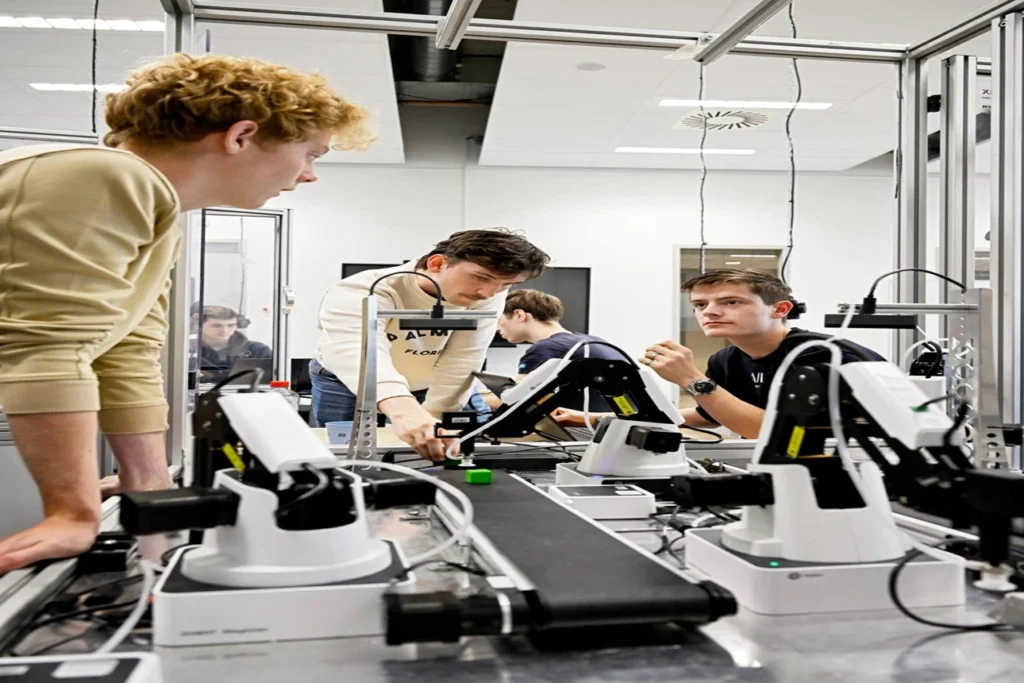
Hands-on projects can help students understand how theoretical concepts are applied to real engineering problems.
For an engineering institution such as Ideal Institute of Engineering, exposure to modern mechanical engineering technologies can help students connect classroom learning with the skills expected in contemporary industry.
How Students Can Prepare for a Robotics Career
A student interested in this field can follow a practical learning path:
Step 1: Build strong Mechanical Engineering fundamentals.
Step 2: Learn 2D and 3D CAD modelling.
Step 3: Understand machine design and mechanisms.
Step 4: Learn basic robotics and automation concepts.
Step 5: Explore sensors, actuators, and control systems.
Step 6: Develop basic programming knowledge.
Step 7: Work on robotics or automation projects.
Step 8: Participate in internships and technical competitions.
Step 9: Develop problem-solving and teamwork skills.
Step 10: Keep learning about Industry 4.0 technologies.
This combination of academic knowledge and practical experience can help students become more confident when entering engineering workplaces.
Frequently Asked Questions
What is robotics and automation in mechanical engineering?
Robotics and automation in mechanical engineering involves designing, manufacturing, operating, and maintaining robotic machines and automated systems used in industries such as manufacturing, automobiles, aerospace, logistics, and other sectors.
Is robotics suitable for mechanical engineering students?
Yes. Mechanical engineering provides important foundations for robotics, including mechanics, machine design, manufacturing, materials, kinematics, dynamics, and mechanical systems.
What jobs can mechanical engineers get in robotics?
Mechanical engineers can work as robotics engineers, automation engineers, robotics design engineers, manufacturing engineers, maintenance engineers, CNC engineers, product development engineers, and other related professionals.
What skills are required for a career in robotics?
Useful skills include mechanical design, CAD, machine design, robotics, automation, sensors, actuators, control systems, programming fundamentals, manufacturing, and problem-solving.
Is programming necessary for mechanical engineers interested in robotics?
Basic programming knowledge is highly useful because modern robotic systems combine mechanical hardware with control and software. However, the depth of programming required depends on the specific career role.
How is robotics used in manufacturing?
Robots are used for applications such as welding, painting, assembly, material handling, inspection, packaging, and other repetitive or precision-based operations.
What is the relationship between robotics and Industry 4.0?
Robotics is an important component of Industry 4.0. Modern manufacturing can combine robots with sensors, industrial IoT, data analytics, artificial intelligence, and smart production systems.
How can students gain practical robotics experience?
Students can gain experience through laboratory work, engineering projects, internships, robotics competitions, CAD and simulation exercises, automation projects, and hands-on training with industrial equipment.
Conclusion
Robotics and Automation in Mechanical Engineering represents an exciting intersection between traditional engineering knowledge and modern industrial technology. As manufacturing becomes more automated and connected, mechanical engineers are increasingly involved in designing robotic mechanisms, improving production systems, developing machines, and maintaining automated equipment.
For students, the most valuable approach is not to abandon the fundamentals of Mechanical Engineering but to build upon them. Strong knowledge of mechanics, machine design, manufacturing, CAD, and materials can be combined with robotics, automation, programming, sensors, and control systems.
For aspiring engineers at Ideal Institute of Engineering, this combination can create a strong foundation for careers in robotics, automation, manufacturing, automobiles, aerospace, smart factories, and advanced engineering industries.
The future of Mechanical Engineering is not simply about machines. It is about smarter machines, connected systems, automation, and engineers who know how to make them work together.