
Mechanical Engineering: Career Scope, Jobs and Future Opportunities
Mechanical engineering remains one of the most versatile branches of engineering because it connects scientific principles with real-world machines, products, manufacturing systems and industrial technologies. From automobiles and power plants to robotics, renewable energy and advanced manufacturing, mechanical engineers contribute to the design, development, testing and improvement of systems used in everyday life.
For students planning an engineering career, understanding the Mechanical Engineering career scope is important before choosing the branch. The field is no longer limited to traditional manufacturing or automobile companies. Modern mechanical engineers increasingly work with computer-aided design, simulation, automation, robotics, electric vehicles, energy systems, smart manufacturing and sustainable technologies.
What Is Mechanical Engineering?
Mechanical engineering is a core engineering discipline concerned with the design, analysis, manufacturing and maintenance of machines and mechanical systems. It combines concepts from physics, mathematics, materials science and engineering design to solve practical problems.
The major areas of mechanical engineering generally include:
Machine design and engineering design
Manufacturing and production
Thermal and energy engineering
Fluid mechanics
Automobile engineering
Industrial engineering
Robotics and automation
Mechatronics
Renewable and sustainable energy
Computer-aided engineering and simulation
At Ideal Institute of Engineering, Kalyani, the B.Tech Mechanical Engineering programme is designed around core areas such as design, thermal engineering and manufacturing, while also introducing students to modern developments involving electronics and computer technology.
Why Choose Mechanical Engineering?
One of the biggest advantages of mechanical engineering is its flexibility. A graduate can build a career in several industries instead of being restricted to a single sector.
Mechanical engineering is particularly suitable for students who enjoy understanding how machines work, solving practical problems, designing components, working with technology and converting ideas into physical products.
The discipline also provides a strong foundation for postgraduate studies, competitive examinations, research and entrepreneurship.
Mechanical Engineering Career Scope
The Mechanical Engineering career scope is broad because mechanical systems are required across manufacturing, transportation, energy, construction, aerospace, automation and many other industries.
Some popular career areas include:
1. Mechanical Design Engineer
Design engineers develop machine components, assemblies and products. They use CAD software to create 2D drawings and 3D models and may use engineering simulation tools to evaluate performance.
Knowledge of CAD, engineering drawing, materials, machine design and manufacturing processes can be particularly valuable for this career path.
2. Manufacturing and Production Engineer
Manufacturing engineers work on production processes, machinery, quality improvement and manufacturing efficiency. They may be involved with CNC machines, machining, production planning, process optimization and automation.
3. Automobile Engineer
Mechanical engineers have traditionally played an important role in the automobile sector. Career opportunities can include vehicle design, manufacturing, testing, maintenance, production and quality control.
The growth of electric vehicles is also creating new areas where mechanical engineers work alongside electrical, electronics and software professionals.
4. Thermal and Energy Engineer
Thermal engineers work with heat transfer, refrigeration, air-conditioning, power generation, engines and energy systems.
With increasing interest in energy efficiency and sustainable technologies, knowledge of thermal engineering can be useful in conventional as well as emerging energy sectors.
5. Robotics and Automation Engineer
Modern manufacturing is increasingly automated. Mechanical engineers can work with robotic systems, automated production equipment, mechatronics and industrial automation.
Combining mechanical engineering with programming, sensors, control systems and robotics can open additional career opportunities.
6. Quality Engineer
Quality engineers help organizations maintain product and manufacturing standards. Their responsibilities may include inspection, measurement, testing, process improvement and quality assurance.
Knowledge of metrology, materials and manufacturing processes can be valuable in this field.
7. Maintenance Engineer
Maintenance engineers are responsible for keeping industrial machinery and equipment operational. They identify faults, plan preventive maintenance and help reduce equipment downtime.
This role is particularly important in manufacturing plants, power facilities and other industrial environments.
Industries Hiring Mechanical Engineers
Mechanical engineering graduates can explore opportunities in industries such as:
Automobile and electric vehicles
Manufacturing and production
Aerospace and aviation
Power and energy
Renewable energy
Heavy engineering
Railways and transportation
HVAC and refrigeration
Oil and gas
Industrial automation
Robotics
Consumer products
Research and development
Government and public-sector organizations
The growing connection between mechanical engineering and digital technologies is also creating interdisciplinary opportunities. Engineers who understand CAD, simulation, automation, data analysis and modern manufacturing can develop broader career options.
Skills Mechanical Engineering Students Should Develop
A degree provides the foundation, but practical skills can make a significant difference when students enter the job market.
Students should consider developing skills in:
AutoCAD and mechanical drafting
3D CAD modelling
CATIA, SolidWorks or similar CAD platforms
Engineering drawing and GD&T
CNC and CAM fundamentals
Manufacturing processes
ANSYS and engineering simulation
MATLAB or Python for engineering applications
Robotics and automation
Problem-solving
Technical communication
Teamwork and project management
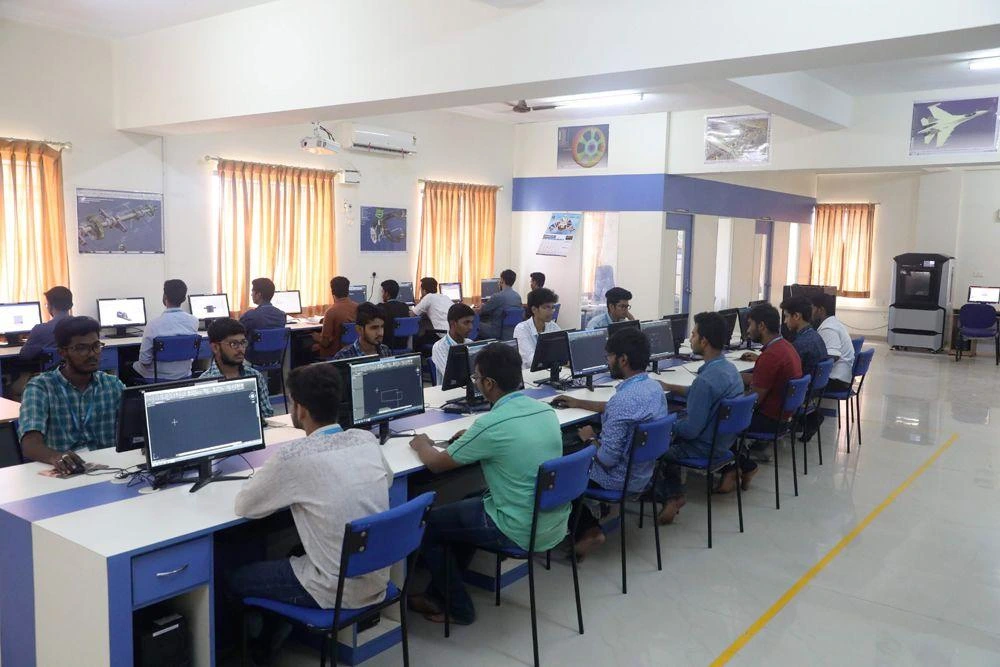
IIE Kalyani’s Computer Aided Machine Drawing Lab provides students with practical exposure to CAD applications, including AutoCAD and CATIA, along with 2D drafting and 3D modelling.
Practical Learning and Laboratory Experience
Mechanical engineering is a practical discipline. Students benefit from laboratory sessions because they can connect classroom concepts with actual machines, measurements, experiments and engineering applications.
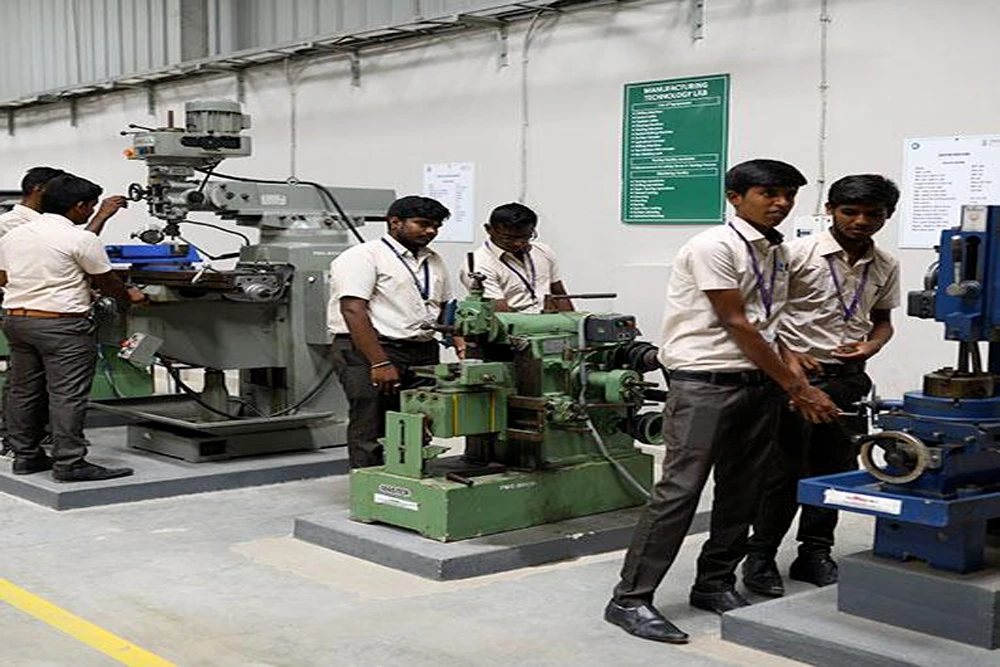
At IIE Kalyani, mechanical engineering students have access to laboratories covering areas such as manufacturing technology, fluid mechanics, applied mechanics, thermal power engineering, IC engines, dynamics of machines, metrology, machining and machine tools, design practice and refrigeration.
The Applied Mechanics Laboratory, for example, provides hands-on exposure to experiments involving materials, strength, torsion, hardness, friction, gears and other mechanical concepts.
What Is the Future of Mechanical Engineering?
The future of mechanical engineering is increasingly interdisciplinary. Traditional engineering knowledge remains important, but new technologies are changing how mechanical systems are designed, manufactured and operated.
Important emerging areas include:
Electric and Autonomous Vehicles
The transition towards electric mobility is creating opportunities in vehicle systems, thermal management, battery enclosures, lightweight structures, manufacturing and testing.
Smart Manufacturing
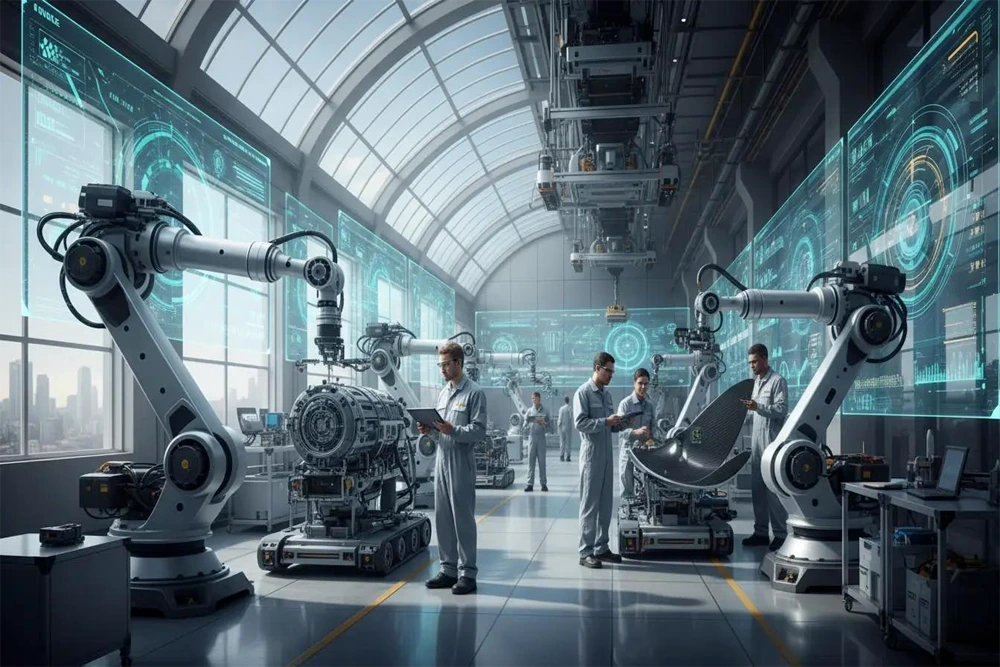
Industry 4.0 technologies are connecting machines, sensors, automation and data. Mechanical engineers who understand digital manufacturing can contribute to smarter and more efficient production systems.
Robotics and Automation
Robots are increasingly used for assembly, inspection, material handling and manufacturing. Mechanical engineers can contribute to the mechanical design, integration and maintenance of robotic systems.
Renewable Energy
Solar, wind and other renewable-energy systems require engineering expertise in mechanical structures, thermal systems, manufacturing, maintenance and energy conversion.
Advanced Manufacturing
Additive manufacturing, CNC machining, digital manufacturing and computer-aided engineering are changing product development and production.
Sustainable Engineering
Energy efficiency, material optimization, waste reduction and environmentally responsible manufacturing are becoming increasingly important. Mechanical engineers can play a significant role in developing efficient and sustainable systems.
Higher Studies After Mechanical Engineering
Students who want to specialize further can pursue postgraduate education or professional qualifications in areas such as:
M.Tech in Mechanical Engineering
M.Tech in Manufacturing
Thermal Engineering
CAD/CAM
Industrial Engineering
Mechatronics
Robotics and Automation
Automobile Engineering
Renewable Energy
Materials Engineering
Computational Engineering
Students may also consider research careers or competitive examinations depending on their long-term goals.
Is Mechanical Engineering a Good Career Choice?
Yes, mechanical engineering can be an excellent career choice for students who are interested in machines, design, manufacturing, technology and problem-solving.
However, success depends on more than simply earning a degree. Students should actively develop practical skills, participate in projects, attend technical workshops, complete internships and understand how engineering concepts are applied in industry.
A student who combines strong fundamentals with modern digital and practical skills can be better prepared for the changing engineering job market.
Why Study Mechanical Engineering at IIE Kalyani?
Ideal Institute of Engineering offers an AICTE-approved and MAKAUT-affiliated B.Tech programme in Mechanical Engineering. The department emphasizes hands-on learning, innovation and practical engineering education, with laboratory facilities covering major areas of mechanical engineering.
The department also encourages students to gain exposure beyond classroom learning through industrial visits, projects and practical activities. Its design practice facilities provide opportunities to work with mechanical components and CAD-based modelling, helping students connect engineering theory with real-world design.
For students in and around Kalyani and West Bengal, this combination of core engineering fundamentals and practical exposure can provide a strong foundation for building a career in mechanical engineering.
Frequently Asked Questions About Mechanical Engineering Career Scope
Is Mechanical Engineering still a good career option?
Yes. Mechanical engineering continues to provide opportunities across manufacturing, automobiles, energy, automation, design, maintenance, robotics and other industries. The career scope becomes broader when students develop modern digital and interdisciplinary skills.
What jobs can I get after Mechanical Engineering?
Graduates can work as mechanical design engineers, production engineers, manufacturing engineers, quality engineers, maintenance engineers, automobile engineers, thermal engineers, CAD engineers and engineering project professionals.
What skills are important for a Mechanical Engineering job?
CAD modelling, engineering drawing, manufacturing knowledge, simulation, CNC/CAM fundamentals, problem-solving, communication and practical project experience are valuable skills. Knowledge of programming, automation and data analysis can provide additional advantages.
What is the future scope of Mechanical Engineering?
The future scope includes electric vehicles, robotics, smart manufacturing, renewable energy, advanced materials, automation, simulation and sustainable engineering. Mechanical engineering is increasingly connected with electronics, software and data-driven technologies.
Can Mechanical Engineers work in robotics?
Yes. Mechanical engineers can work in robotic mechanism design, automation equipment, manufacturing robots, assembly systems and robotic integration. Additional knowledge of electronics, control systems and programming can strengthen career opportunities.
Is Mechanical Engineering suitable for students interested in design?
Yes. Students interested in product development, machine components, 3D modelling and engineering drawing may find mechanical design a suitable career path. CAD and simulation skills are especially useful.
Conclusion
The Mechanical Engineering career scope extends far beyond traditional machines and manufacturing. Today, mechanical engineers are contributing to electric vehicles, robotics, automation, renewable energy, smart factories, advanced manufacturing and sustainable technology.
For students who enjoy practical problem-solving and want an engineering career connected to real-world products and systems, mechanical engineering can provide a versatile foundation. The key is to combine strong engineering fundamentals with practical laboratory experience, software skills, projects, internships and continuous learning.
With the right combination of knowledge and skills, a Mechanical Engineering degree can become the starting point for a rewarding career across multiple industries and emerging technologies.